The Silicon Valley
Faculty Network

Inside the Deal

Stop taking the terms on trust.

Ten live sessions on how venture deals are actually built, from the term sheet to the exit waterfall, taught by Alex Dang and Ilya Strebulaev of Stanford.

Starts 11 January 2027 10 sessions 15 hours live 30 seats $6,500

Why this exists

Most people at a venture deal table are reading a document someone else wrote for someone else's benefit.

Corporate venture arms, family offices and first-time investors sign terms every month that they could not explain a year later. Not because they are careless, but because nobody teaches the mechanics. The strategy books are plentiful. The arithmetic is not.

The clauses are where the money is

A liquidation preference decides who gets paid when a company sells. A pro rata right decides whether your position survives to that point. These are not details around the deal. They are the deal.

Hands on, not theoretical

You read a real term sheet, build a real cap table, and model what happens to your own position through three rounds. You bring a deal on day one and present it on day ten.

Built on evidence, not war stories

Ilya's research covers 230,000 investments by nearly 13,000 investors over thirty years. When we say something works, we can show you across three decades how often it did.

Free · no obligation

Try it first.

What a Term Sheet Actually Says, a forty-five minute masterclass with Alex Dang on 12 October at 18:00 CET. One document, read properly, and free.

Save my seat

Once a year

The network meets in person.

The programs run online. One day a year they do not. Everyone from across our programs gathers in Silicon Valley for a day, and it is one of the things being part of this network gets you. Having taken a program, your place is $2,000. Without one it is $4,000.

You meet the people writing the checks

A day on the ground with investors and the companies they backed. The kind of access that is difficult to arrange on your own and impossible to get from a video call.

The whole network in one room

Participants, faculty and guests from every program we run, on the same day. Ten sessions of context, then a day to use it.

You arrange the trip

We organize the day and the access. Flights, accommodation and meals are yours to book, so you can build the rest of the trip around it.


The program

Bring a deal. Take it apart.

You arrive with a deal you are looking at now, or one you did recently and still think about. Every session is applied to it, and on the last day you present what you would negotiate differently.

Session one

Where the returns actually come from

Thirty years, 230,000 investments and a return distribution so skewed that the median deal is irrelevant. Why one position in fifty carries a fund, and why every clause in the rest of this program exists to protect that one position. You arrive with a live or recent deal; it becomes your case for the next nine sessions.

Session two

The term sheet, line by line

Original issue price, common stock, convertible preferred. What each clause is actually for, who wrote it, and which three lines decide most of the outcome. We read a real term sheet together rather than a summary of one.

Session three

Liquidation preferences

One times, participating, non-participating, stacked. The clause that decides who gets paid what when the company sells, and the arithmetic that shows a founder walking away with nothing from a headline that reads like a success.

Session four

Cap tables and dilution

Build one. Model ownership through a seed, an A and a B, with an option pool, and watch what happens to a position that nobody defended. Most people who lose money in venture lose it here, quietly, over three rounds.

Session five

Valuation, and why the number is not the number

Pre-money, post-money, and why a private valuation is not comparable to a public one. Preferred stock carries downside protection that the headline number ignores, which is why serious analysis discounts it before comparing anything.

Session six

What happens in the next round

Pro rata, pay to play, down rounds, bridges, SAFEs and convertible notes. The rights you negotiated in round one are worth exactly as much as your ability to keep exercising them in round three.

Session seven

Governance, boards and control

Board composition, protective provisions, and the gap between owning a company and controlling one. The ranking data is clear that the investors who create the most value are the ones in the room, not the ones on the cap table.

Session eight

Diligence, and how fast to say no

What to check, in what order, and when to stop. Screening a hundred opportunities to fund one is a process problem, not a judgment problem, and it is the part corporate investors get wrong most often.

Session nine

Who actually wins

The Strebulaev-Jackson ranking of the top hundred US firms, and what separates the first from the hundredth. Ownership concentration, staying power and value added, measured across three decades rather than asserted.

Session ten

Your deal, worked through

Back around the room. You present the deal you brought, with what you would now negotiate differently and why, to the faculty and to a room of people who have spent nine sessions learning to pull it apart.


Faculty

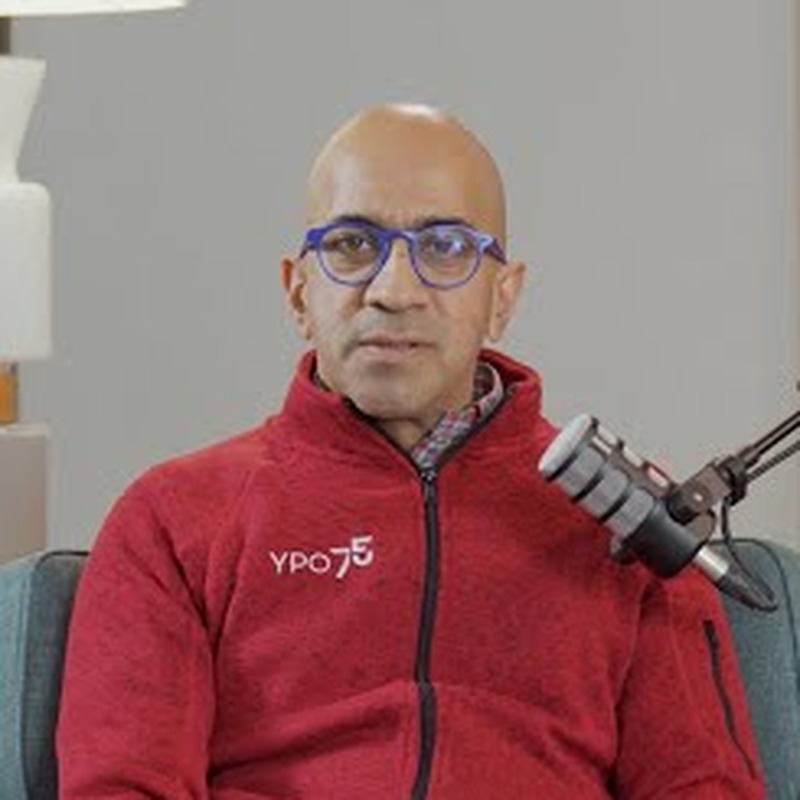
Alex Dang

Program Lead

Alex Dang

Senior Advisor and former Partner at McKinsey, previously a product executive at Amazon and AWS. He coauthored The Venture Mindset with Ilya Strebulaev, and advises large companies on how they invest in and buy early stage businesses.

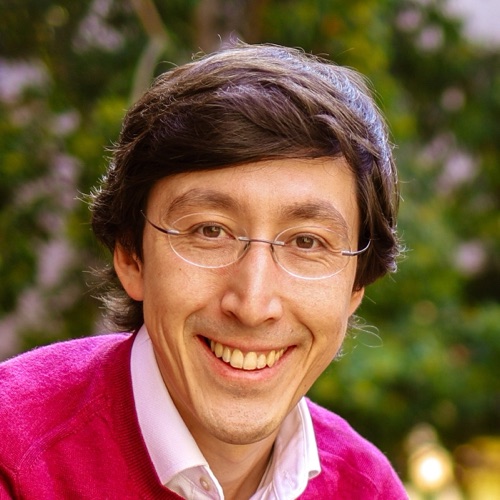
Ilya Strebulaev

Faculty

Ilya Strebulaev

Professor of Finance at Stanford Graduate School of Business and the founder of its Venture Capital Initiative. His research covers 230,000 investments by nearly 13,000 investors across thirty years, and produced the Strebulaev-Jackson ranking of US venture firms.

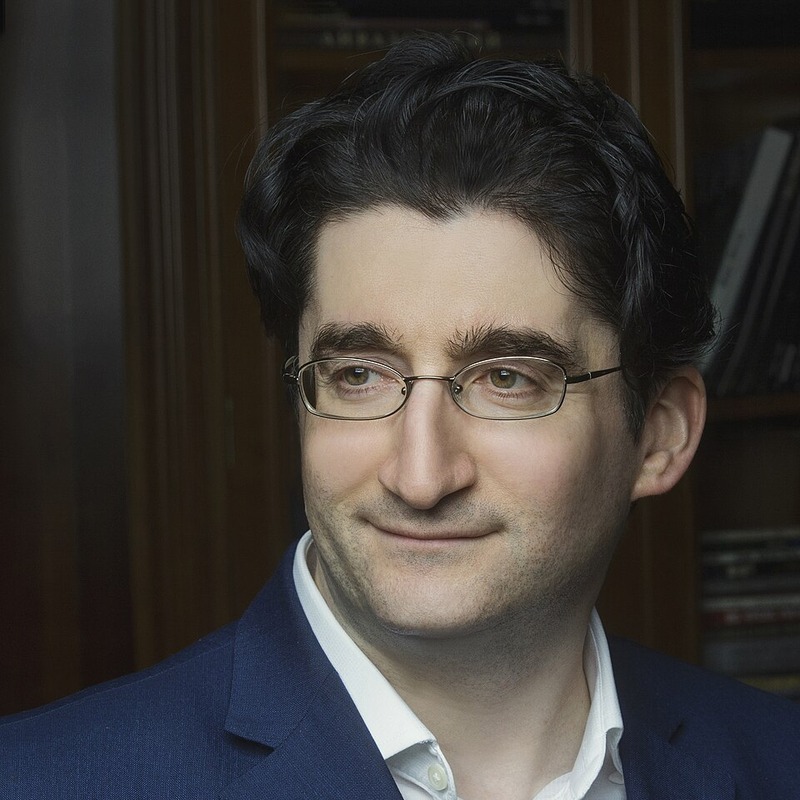
Hannes Chopra

Faculty

Hannes Chopra

CEO of RaSa Future Fund, which invests in early stage companies in financial services and insurance. Twenty years in leadership at Allianz Group, where he was CEO in Russia and regional head of Eurasia, and built Sberbank Insurance from scratch for Russia's largest bank.


Tuition

$6,500

Includes all ten sessions, the recordings and the materials. Live on Mondays at 16:00 Central European Time, which is 10:00 in New York and 07:00 in San Francisco. Ninety minutes each, recorded if you miss one.

  • Group rate from five participants. Write to info@siliconvalleyfaculty.com and we will send you a quote.
  • Payment in full on acceptance, or in two parts: half on acceptance and half before the first session. Companies can be invoiced on thirty day terms.
  • Invoice and receipt for expensing, plus a one-pager you can send to your manager.
  • Cancellation. Full refund up to thirty days before the start. Half up to fourteen days. Inside fourteen days we cannot refund, but you can send a colleague in your place or move to the next cohort once, at no cost. If we cancel or move the program, you get everything back.

Not sure it is the right program?

Thirty minutes with us, no pitch. Bring the questions you would not put in a form.

Book a call

Questions

Is this the book?

No. Alex and Ilya wrote The Venture Mindset about how venture investors decide. This program is about how venture deals are actually built: term sheets, preferences, cap tables and the mechanics that decide who makes money. Reading the book is not a prerequisite and will not cover the same ground.

Who is it for?

People who sit at a venture deal table and want to stop taking the terms on trust. Corporate venture and corporate development teams, family offices, angels, emerging fund managers, and operators moving into investing. Founders raising money get the same value from the other side of the table.

Do I need a finance background?

No. We build the arithmetic from the beginning, and you will model a cap table yourself rather than watch someone else do it. If you can read a spreadsheet you have enough.

What is the day in Silicon Valley?

Once a year everyone on our programs gathers in Silicon Valley for a day: visits to companies doing this work, time with the faculty in person, and the rest of the network in one room. It runs separately from the programs. Your place is $2,000 once you have taken a program, and $4,000 without one. Flights, hotels and meals are your own.

How much time does it take?

Ten live sessions of ninety minutes each, fifteen hours in total. Every session is recorded if you miss one.

What do I need to prepare?

Materials go out two weeks before the first session. Bring one deal you are looking at now, or one you did recently and still think about. Anything you bring stays in the room.
Starts 11 January 2027.

Thirty seats. Apply and we will come back to you within a few days.