The Silicon Valley
Faculty Network

Why we exist

Some do. Some teach. A few do both.

Those are the people we look for, and the only people we build a program around.

Executive education keeps the two apart. The institution's name goes on the certificate, but the person teaching is rarely the person who built the thing being taught. Programs are delivered by platforms, at scale, by facilitators working from someone else's material.

Gregory La Blanc has spent his career in academia and never stayed inside it. He brings people from industry into his classrooms, and he sends his fellow faculty out to talk to practitioners. What he kept finding is that the people fluent in both worlds tell the best stories, draw the sharpest lessons, and reach the people who actually need them. Nobody had built those people a vehicle worth their time.

So he called Polina Nazarova, someone he had been working with for a couple of years through his teaching in Spain. She runs corporate partnerships at Harbour.Space in Barcelona, a university built on the same premise: the people teaching should be the people still doing the work.

The Silicon Valley Faculty Network came out of that. Find the person who did the work and can also teach it. Build the program around them rather than fitting them into a curriculum. Keep the cohort small enough that access is real. Put their name on it rather than an institution's.

How we work

Four decisions we do not trade away.

Faculty first, syllabus second

Every program starts with a person, not a topic. We find someone who defined a field, then design the program around what they know and how they teach. It is why the programs look different from each other, and why we cannot simply add a course because there is demand for one.

Around thirty seats, on purpose

Small is the product, not a limitation. Comparable programs delivered through platforms run cohorts of several hundred. At thirty, the session stays a discussion, the faculty member knows who you are, and your question gets answered rather than logged.

Useful on Monday

You arrive with a real problem from your own organization and work on it throughout. You leave with a plan you can act on, and a certificate as a side effect rather than the reason you came.

A house of programs, not a brand on a course

Each program is convened with a different lead practitioner who teaches it and brings their own network to it. We are the institute that makes that possible: the structure, the cohort, the operations. The expertise belongs to the person whose name is on the program.


Founding team

Who started it.

Gregory La Blanc

Cofounder and Faculty Director

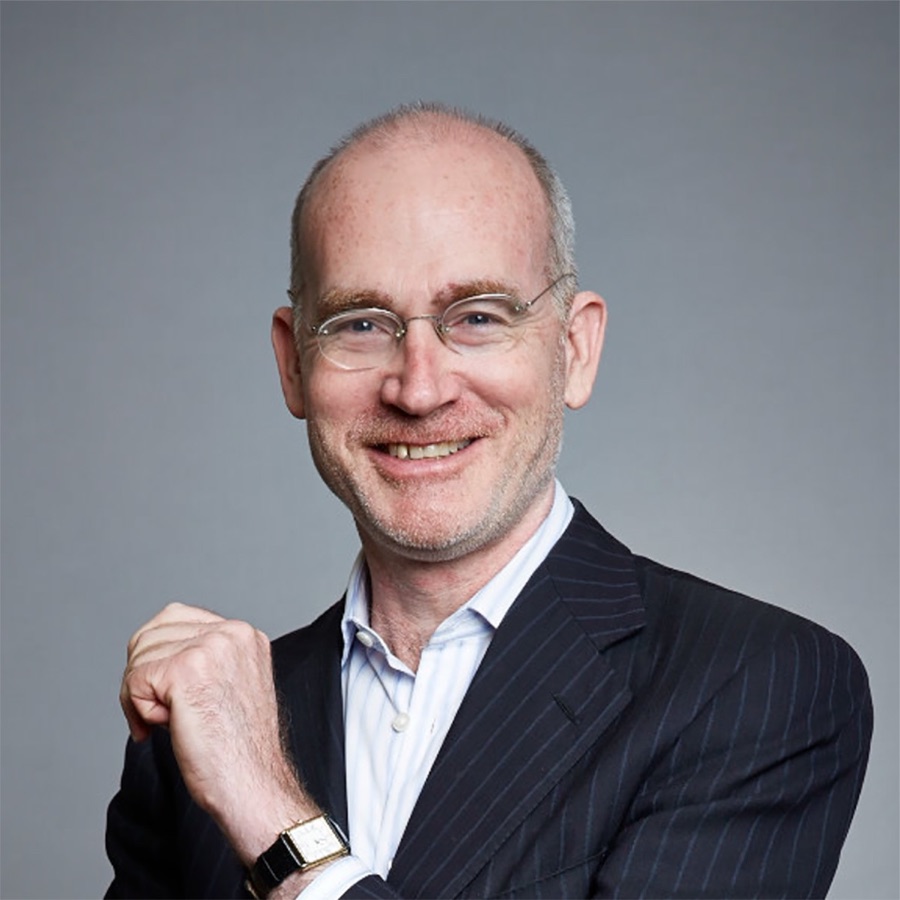
Gregory La Blanc

Greg is Faculty Director of Professional Education at UC Berkeley's College of Engineering and a Distinguished Teaching Fellow at Berkeley Haas and Berkeley Law. He has taught at Stanford's Graduate School of Business and HEC Paris, and holds the Haas Cheit Award for teaching. He has advised leaders at more than a hundred companies and governments on strategy, finance and technology, and hosts unSILOed, a podcast now past six hundred conversations. He is the constant across every program we run.

Polina Nazarova

Cofounder

Polina Nazarova

Polina has run corporate sales and partnerships at Harbour.Space Institute of Technology in Barcelona since 2020, a technology and design university where the courses are taught by people still doing the work. She built its business-to-business function from nothing into the institution's largest revenue line, taking it from seven percent of total revenue to forty-one in five years. She holds a degree in mathematics from LMU Munich and works in six languages.


Founding faculty

The people who agreed first.

They convene the programs, teach them, and shape what we build next.

Nicolas Darveau-Garneau

Founding Faculty

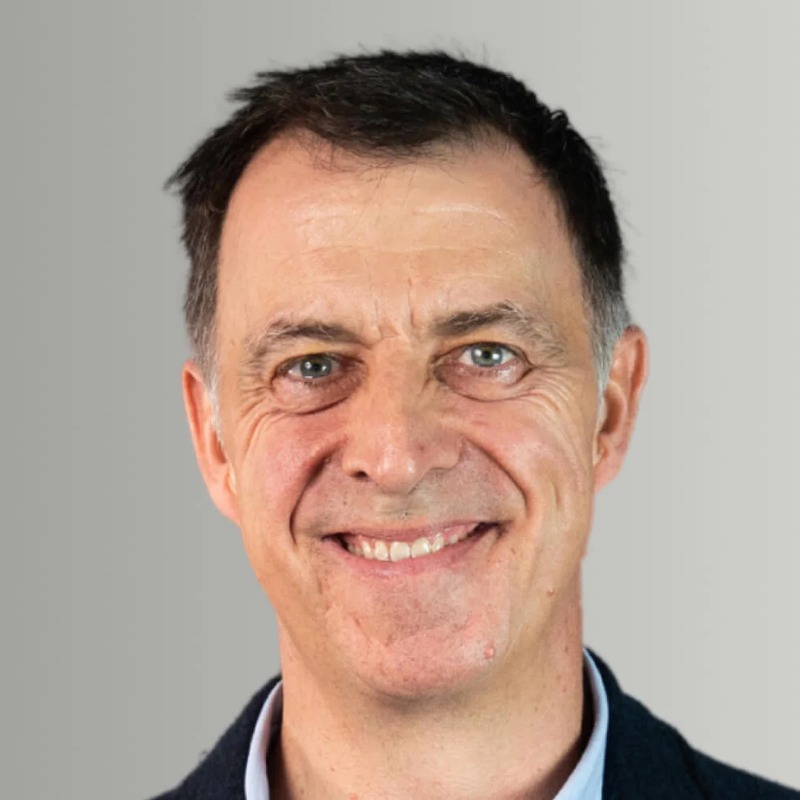
Nicolas Darveau-Garneau

Nicolas was Chief Evangelist at Google, where he worked with the C-suites of more than a thousand of Google's largest customers on how they grow. Before that he was on the founding team of MSN.com at Microsoft, cofounded four internet companies and sold three, and worked at McKinsey and as a senior equity analyst at Sanford C. Bernstein. He is the author of Be a Sequoia, Not a Bonsai: The Seven Growth Secrets of the World's Most Successful Companies, and sits on the boards of TMX Group, iA Financial, McEwen Mining and Alida.

Carlos Escapa

Program Lead · Chief AI Officer Program

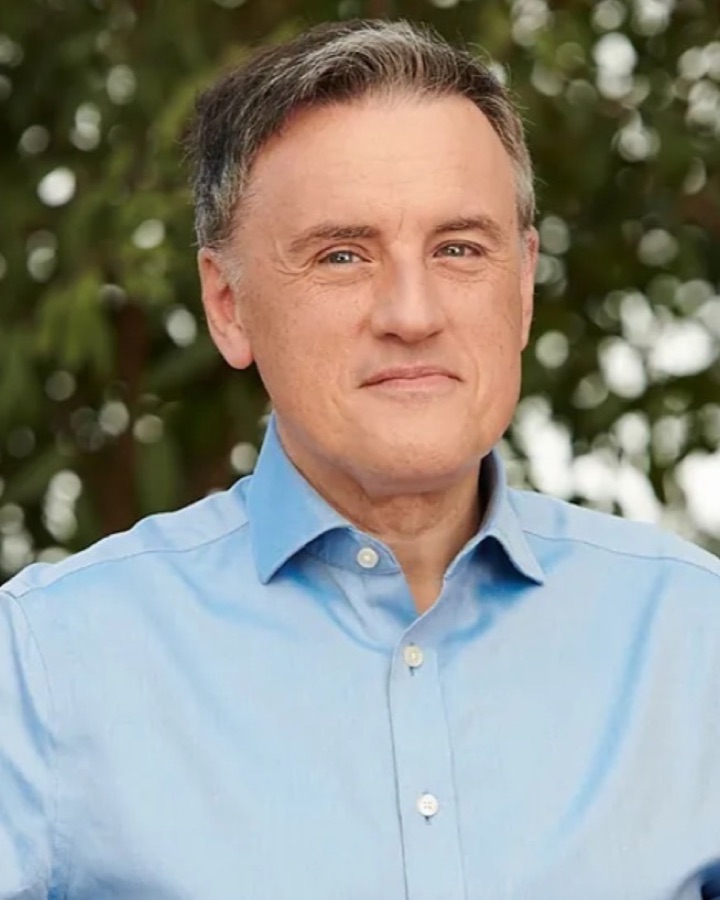
Carlos Escapa

Carlos led AI and machine learning practice at AWS for nearly a decade, first as Global AI/ML Practice Leader and later running Data and AI for the Accenture-AWS Business Group, with a period at Meta in AI business development in between. He has worked on hundreds of implementation projects worldwide and coauthored The AI-Driven Business: Leading, Competing and Thriving in the Age of Artificial Intelligence. He advises startups on corporate development and go-to-market, and lectures at Berkeley Haas, ESADE and IE.

Alex Dang

Program Lead · Inside the Deal

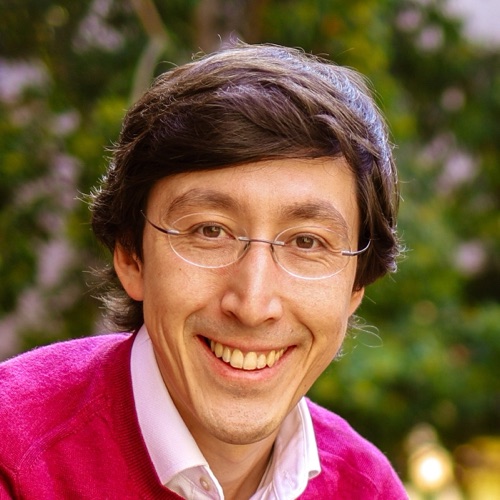
Alex Dang

Alex coauthored The Venture Mindset: How to Make Smarter Bets and Achieve Extraordinary Growth with Stanford's Ilya Strebulaev, a Financial Times Business Book of the Month now translated into twelve languages. He is a Senior Advisor and former Partner at McKinsey and was previously a product executive at Amazon and AWS. He advises large companies on building venture-style decision-making inside established organizations.

This list grows slowly, and deliberately. A program goes on sale only once the person teaching it has agreed to teach it, which means the pipeline moves at the speed of people rather than the speed of demand.

Want to teach with us?

We are always looking for the person who built the thing, not the person who wrote about it afterwards.